When it comes to displaying art on your Samsung Frame TV, you will want to consider various factors to ensure the artwork looks stunning and lifelike. From color choices to texture, style and aspect ratio considerations, here are some dos and don’ts to help you make the most out of your digital art display. Please note, these are only my personal opinions and what I have found to work best as I have explored the Frame TV art mode in my own living space; not everyone will have the same opinions, and that’s ok!
Color Considerations
Do:
- Darker Colors, but Not Too Dark: Opt for hues that are rich and deep, as they tend to complement the display’s capabilities without overwhelming it.
- Earth Tones: Natural shades like browns, greens, and blues can create a harmonious and inviting ambiance in your space.
- Black and White (with Balance): Black and white art can be striking, but ensure there’s a balance between light and dark tones to maintain visual interest.
- Bright Colors in Moderation: While bright colors can add vibrancy, use them sparingly to prevent overwhelming the screen.
Don’t:
- Bright White or Light Colors: These tones can wash out on the screen, detracting from the artwork’s impact.
- Too Dark: Avoid overly dark artwork that may appear muddy or lose detail on the display especially when viewed from indirect angles.
- Monochromatic Overload: Art with predominantly one color can lack visual depth and interest on the Frame.
- Large Portions of Same Color: Variation adds visual intrigue, so avoid artworks with large, uniform color blocks that easily get washed out on a digital screen.
Texture Considerations
Do:
- Textured Artwork: Pieces created with techniques like palette knife painting with acrylic or oil paint can translate exceptionally well on the Frame.
- Visual Textures and Variations: Incorporate elements like lines, brushstrokes, and color variations to enhance the artwork’s depth and realism.
- Layering: Art with layers of texture detail or material can create a dynamic and captivating visual experience on the screen.
Don’t:
- Flat Images: Avoid artwork lacking in texture or dimension, as it may appear dull or uninspiring on the display.
- Overly Simplistic Art: Pieces with minimal texture or detail may not showcase well on the Frame.
Style Considerations
Do:
- Paintings with Texture: Embrace artworks that feature tactile elements and depth, as they translate effectively onto the digital canvas.
- Certain Photography: While some photographs can be impactful, choose images with strong composition and visual interest to avoid appearing too much like a typical screen saver. Images of animals is a good category to explore with photography
- Stained Glass Art: This is a type I have experimented with personally by creating my own AI generated art with this style, and the images have turned out to look spectacular on the Frame TV.
Don’t:
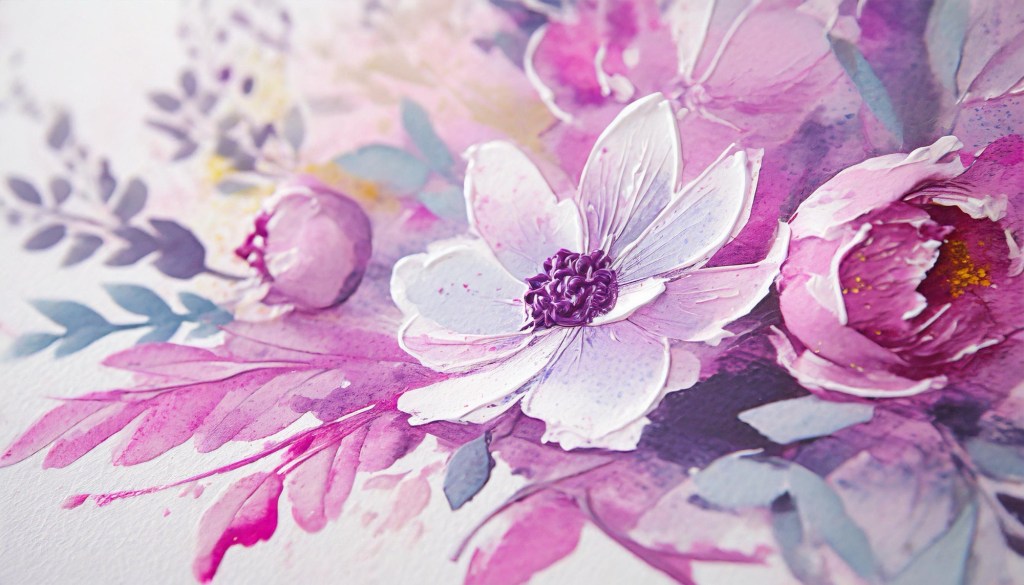
- Watercolors: Delicate watercolor paintings may lose their subtlety and nuance when displayed on the Frame, detracting from their beauty. Some may work, but I have found them to not be the best display.
- Busy or Chaotic Art: Avoid artworks that are overly cluttered or chaotic, as they may not translate well onto the digital display.
Aspect Ratio Considerations
The aspect ratio of the art you display on the Frame TV should be exactly 16:9. If it is not, the image on the Frame will be forced to have a mat border rather than the image being able to take up the entire screen. I have found that the digital mat isn’t quite yet believable, and I try to keep most of the images I display full screen. You will want a minimum resolution of 3840 x 2160 pixels, but this can be higher as long as the ratio stays 16:9.
Conclusion
These dos and don’ts are certainly not comprehensive or black and white (pun intended), but I believe they can help as guidance for what I have personally found works best for Frame TV Artwork. Experiment with different artworks and styles to find what works best for your aesthetic preferences and home décor. With thoughtful selection and curation, your Frame TV can become a dynamic and ever-changing digital art gallery.



 Eye4AI Art
Leave a comment